
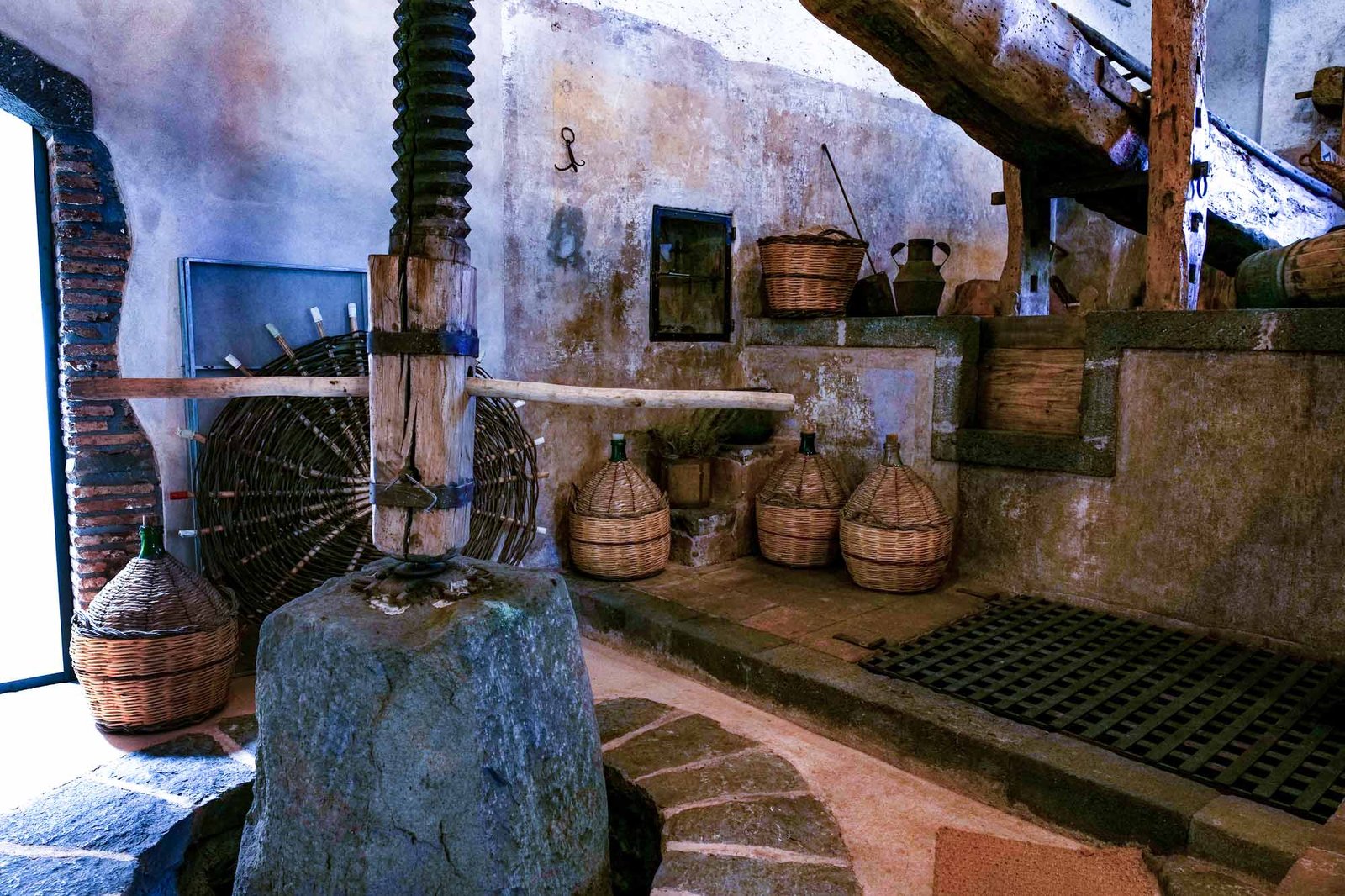
Inside the ancient palmento of I Vigneri, wine is still made in the old Etna way, the juice passing by gravity through volcanic-stone rooms where crushing and fermentation unfold beneath the same roof.
A History Born of Fire
Christopher Barnes
The region of Etna boasts a remarkable history of wine production that spans over 6,000 years. Its fertile lands have attracted the attention of various civilizations, from the early medieval period to the Renaissance.
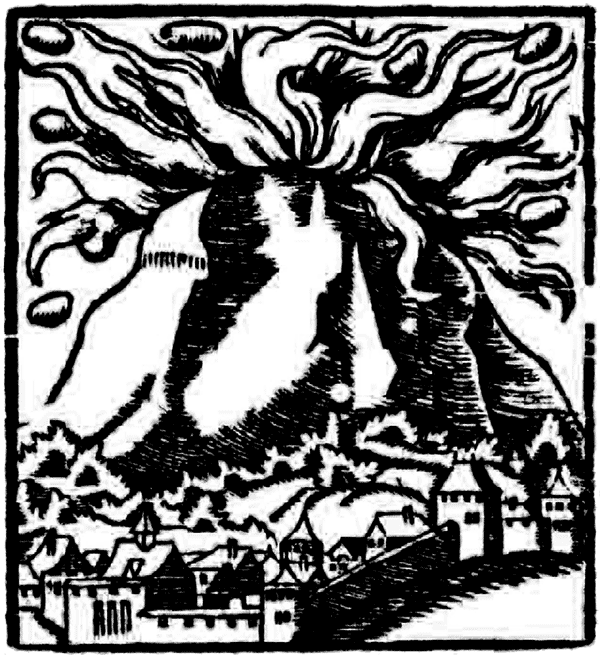
Following the devastating earthquake of 1693 and the subsequent tsunami, the southern slopes of Mount Etna gained significant importance for vineyards and the cultivation of the Nerello Mascalese grape. This led to a surge in the production of cutting wines, blending wines, and the distillation of wine during the phylloxera outbreak in the late 1800s.
However, World War II inflicted severe damage to the eastern part of Sicily, including Mount Etna and its surrounding countryside. This resulted in the abandonment of many vineyards. It wasn’t until the 1990s that a renewed interest in quality wine production emerged, with a focus on indigenous varieties like Carricante and Nerello Mascalese.
Over time, the area has seen a multitude of grape varieties introduced by various groups, including the Greeks, Crusaders, Benedictine and Capuchin monks, the Bishop of Catania, and the Spanish. Each grape has contributed something special to the area’s wines. Even now, vineyards may have a mix of Carricante and Nerello Mascalese, along with other indigenous cultivars like Coda di Volpe, Grecanico, Minnella Bianca, and Minnella Nera, each adding a unique flavor to the wines.
The area’s volcanic soils also play a vital role in contributing to the minerality and texture of the wines. The combination of its rich history, diversity of grape varieties, and unique terroir makes Etna one of the most special wine regions in the world.
Salvo Foti on the Palmento tradition
“
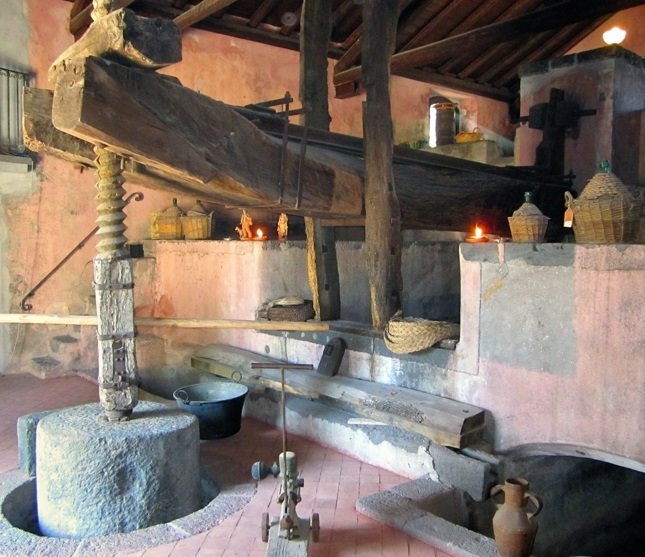
The agricultural landscape on Etna is characterized by numerous beautiful and ancient manor houses, most of which are now abandoned. These properties were once owned by peasants, bourgeois, and nobles. Each vineyard had a home for the owner’s family and a palmento, which is a winemaking cellar for transforming the grapes grown on the property. The palmento, with its terraced vineyards, narrow streets, and dry stone walls, all built with lava stone, is surprisingly harmonized with the Etnean environment.
History
Terroir

D.O.C.
Grapes

Wineries
Marco de Grazia
Marco was one of the leading figures in the modernist Barolo movement. He was a well-known wine distriubutor of small,…
MORE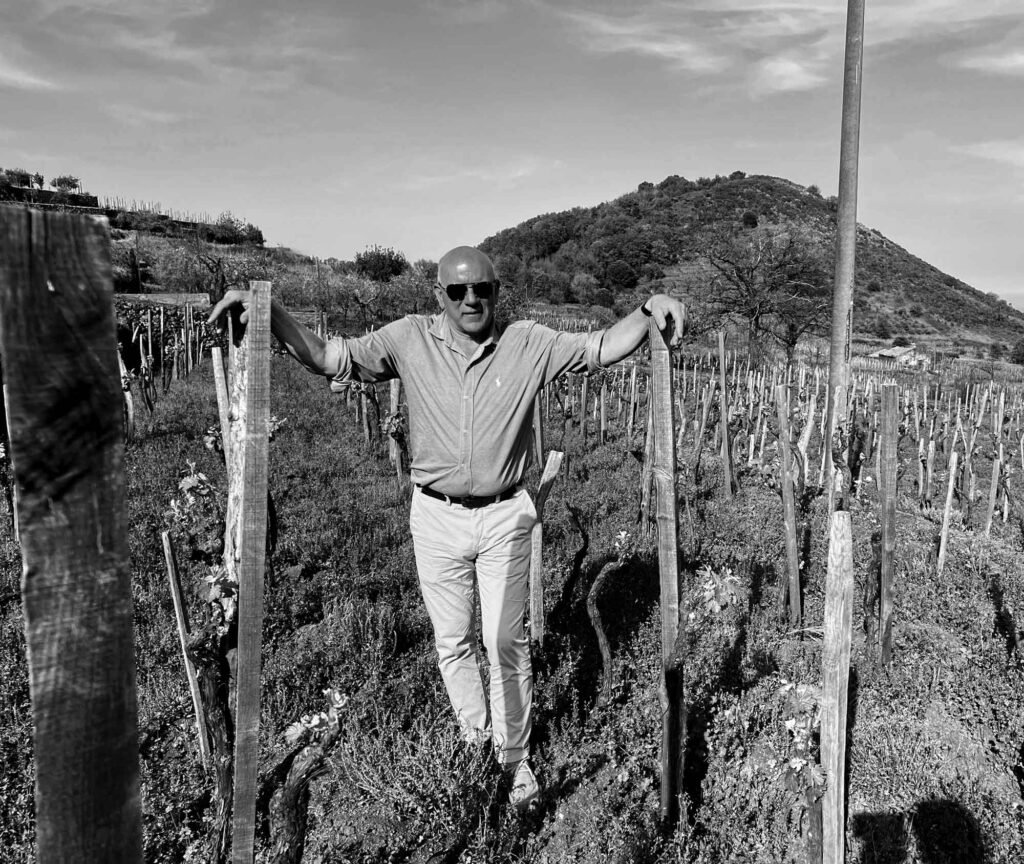
Ciro Biondi
Enchanted by Etna wine culture, Ciro grew up crushing grapes with his feet and loving every minute spent in the vineyard just outside his childhood home. Who wouldn’t, among volcanic craters of alberello-type vines with an immaculate view of coastal…
MORE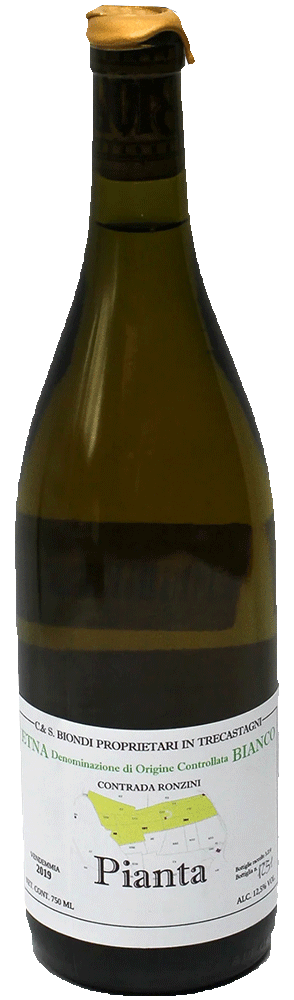

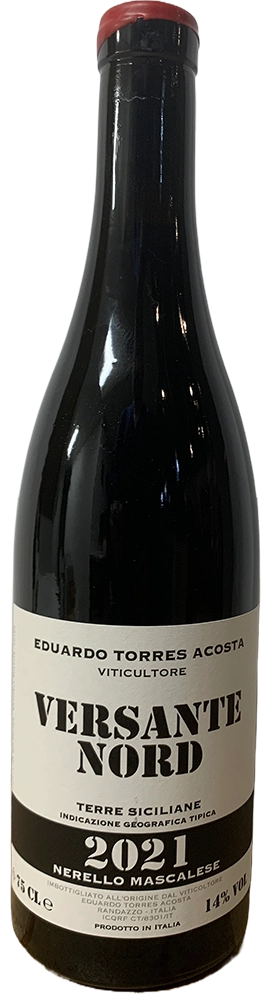
Eduardo Torres
The thing that made me come here to Etna is the volcano, that it is currently an active volcano. The soil. The possibility to cultivate in high altitudes and small parcels.
For example going from 500 meters to 1,000…
Alberto Graci
In 2004 Graci sold his grandfather’s land and used the proceeds to buy land on Mount Etna, and is amongst the group of Etna pioneers including Foti, Franchetti, Cornelissen, de Grazia and Benanti who over the last twenty years have…
MORE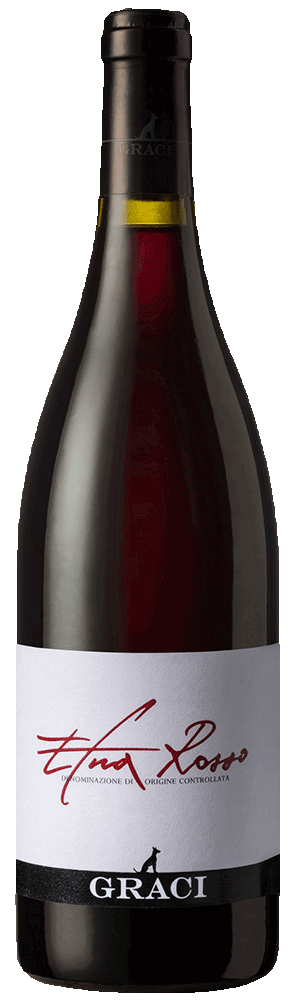

Passopisciaro
In 2000 Andrea Franchetti decided to restore an old farm and cellars on the slopes of Mount Etna, an active volcano in northeastern Sicily. The winery sits at about a thousand meters of altitude above the small wine town of…
MORE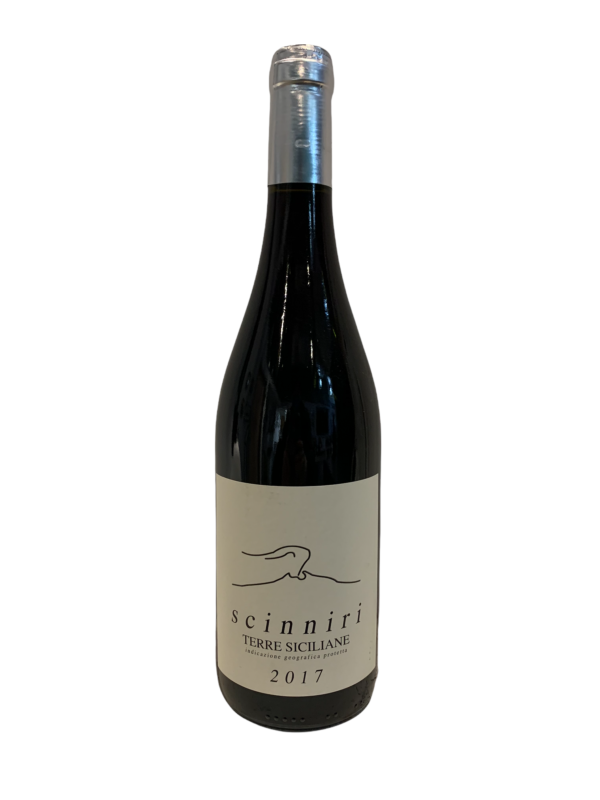

Mario Paoluzi
Mario is the owner of I Custodi, an artisanal winery located on the northern slope of Mt. Etna in Sicily. I Custodi refers to themselves as the “keepers” or the “guardians” of Mt. Etna’s vineyards. Their mission is to preserve…
MORE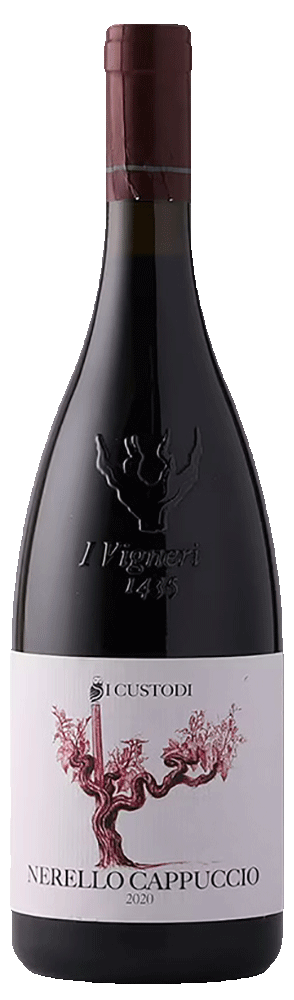
Calabretta
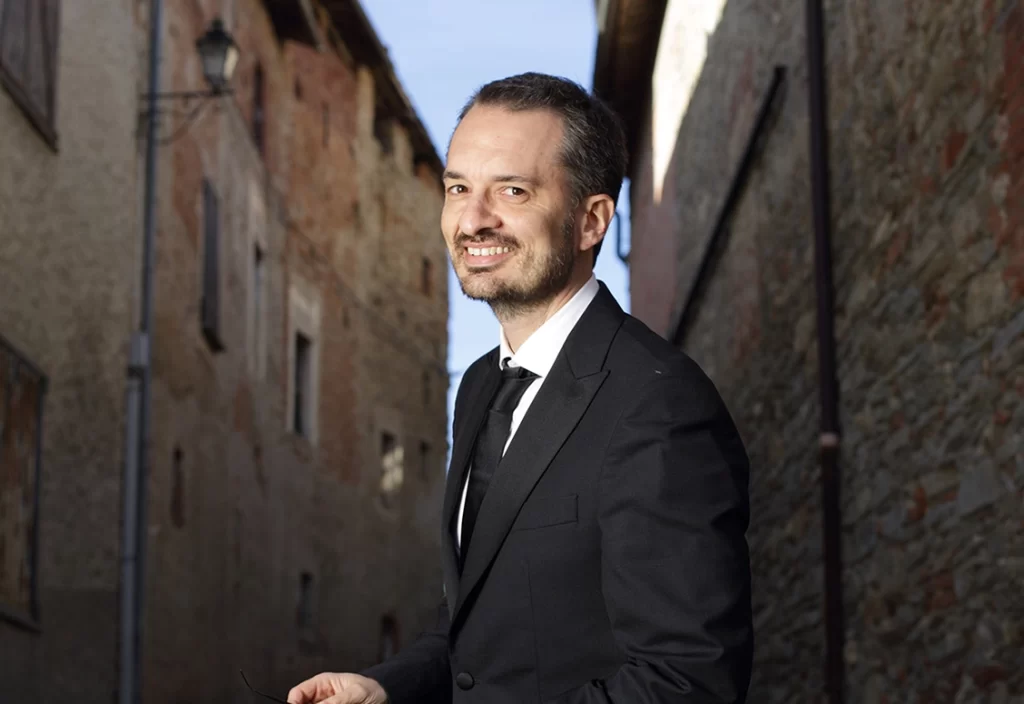
The Calabretta wines hail from the DOC of Etna Rosso in northeastern Sicily. The vineyards are planted between 300 and 900 meters on the slopes of Mount Etna, an active volcano that looms in the distance for much of eastern…
MORE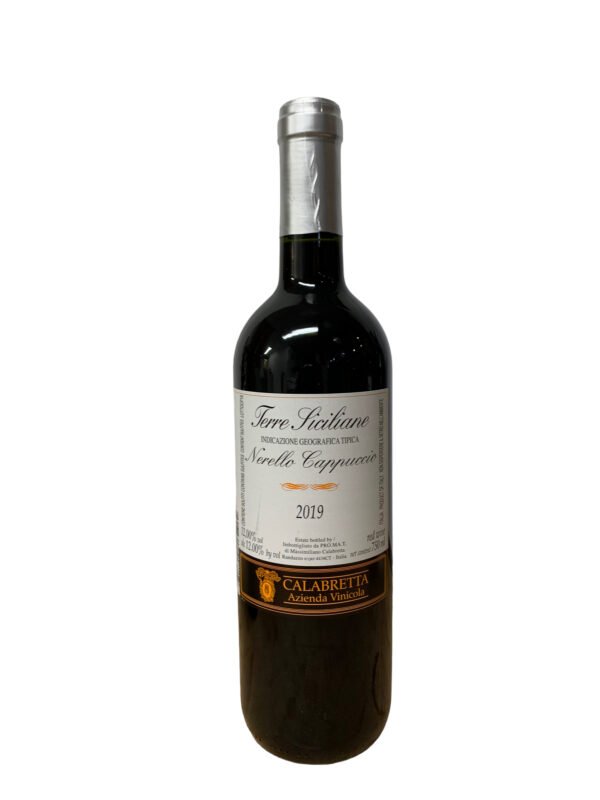

Generazione Alessandro
High-quality wine has been in Ciro Biondi’s family since the 17th century, proven early on by his grandfather, Cirino, who won awards in Italy and abroad: Casal Monferrato 1913, Paris 1914, Lyons 1914, Cuneo 1914, and Milano 1914. At that…
MORE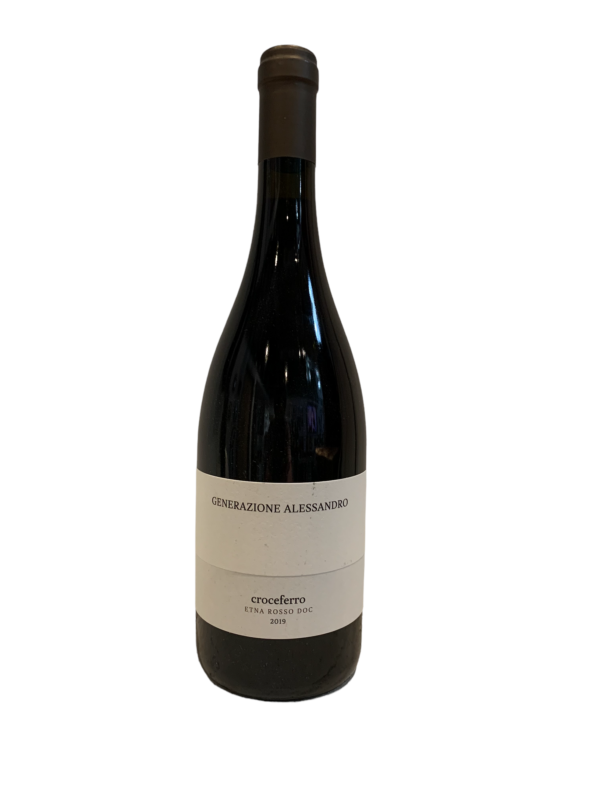

BARONE VILLAGRANDE
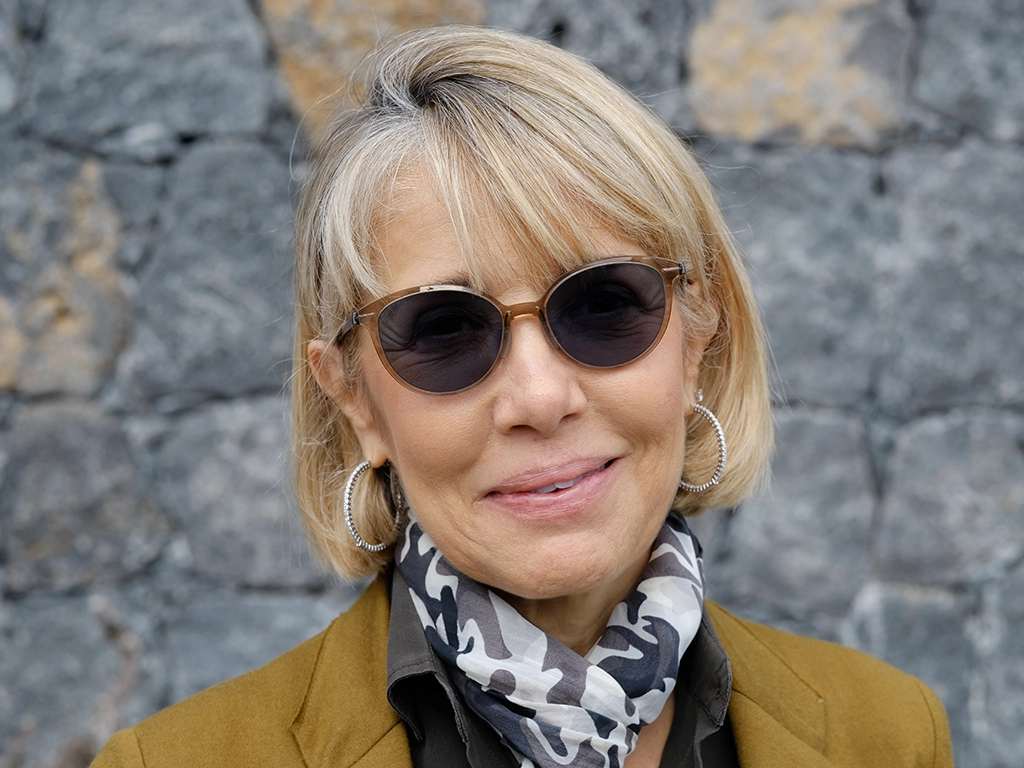
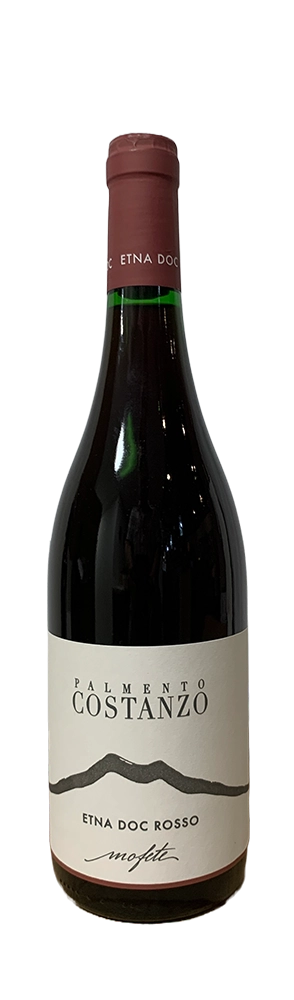
The Nicolosi Asmundo family has been living with the vine in Milo on the eastern slope of Etna for over 300 years. Records from the early 18th century show the Bishop of Catania gave the family the task to turn…
MORE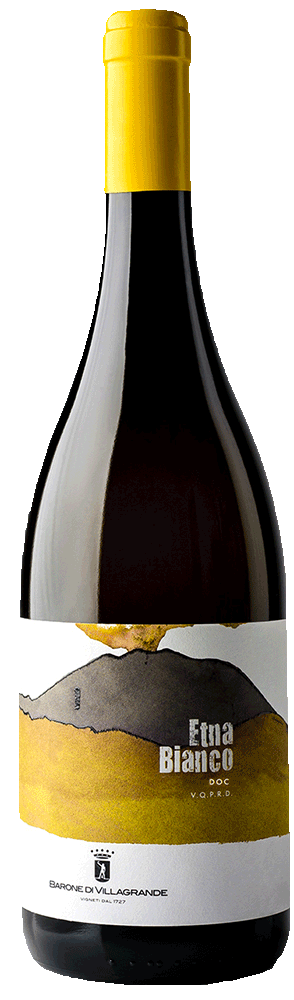
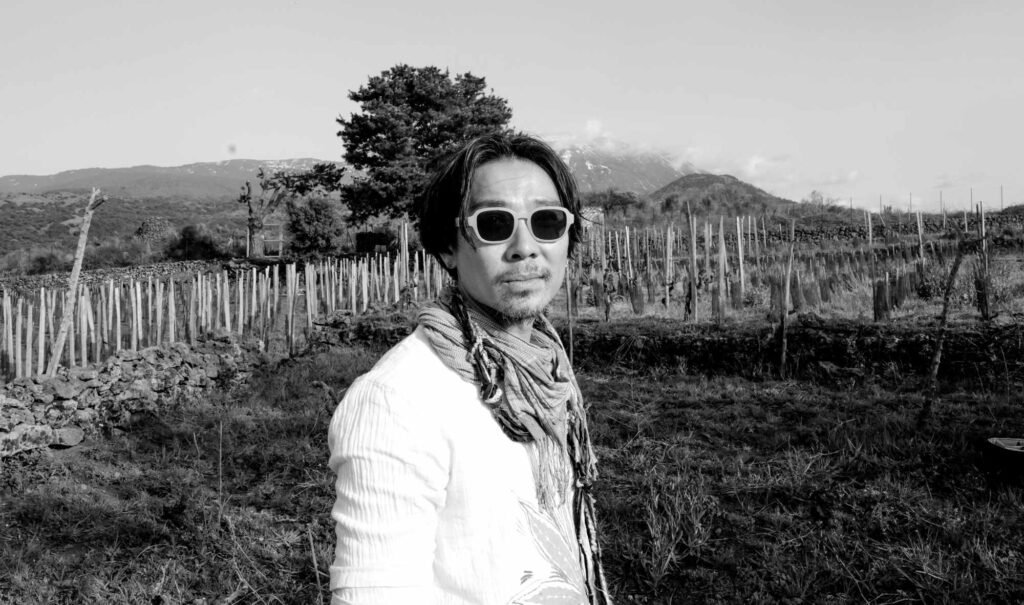

Alice Bonaccorsi
Alice is dedicated to solely growing native grape varietals with natural practices and showing off her gnarly old vines. The wine does the talking for her. Bonaccorsi vineyards is located on the northeastern side of Mount Etna, between the Passopisciaro and Randazzo contradas.
MOREHistory
The region of Etna boasts a remarkable history of wine production that spans over 6,000 years. Its fertile lands have attracted the attention of various civilizations, from the early medieval period to the Renaissance.
Following the devastating earthquake of 1693 and the subsequent tsunami, the southern slopes of Mount Etna gained significant importance for vineyards and the cultivation of the Nerello Mascalese grape. This led to a surge in the production of cutting wines, blending wines, and the distillation of wine during the phylloxera outbreak in the late 1800s.
However, World War II inflicted severe damage to the eastern part of Sicily, including Mount Etna and its surrounding countryside. This resulted in the abandonment of many vineyards. It wasn’t until the 1990s that a renewed interest in quality wine production emerged, with a focus on indigenous varieties like Carricante and Nerello Mascalese.
Over time, the area has seen a multitude of grape varieties introduced by various groups, including the Greeks, Crusaders, Benedictine and Capuchin monks, the Bishop of Catania, and the Spanish. Each grape has contributed something special to the area’s wines. Even now, vineyards may have a mix of Carricante and Nerello Mascalese, along with other indigenous cultivars like Coda di Volpe, Grecanico, Minnella Bianca, and Minnella Nera, each adding a unique flavor to the wines.
The area’s volcanic soils also play a vital role in contributing to the minerality and texture of the wines. The combination of its rich history, diversity of grape varieties, and unique terroir makes Etna one of the most special wine regions in the world.
Salvo Foti on the Palmento tradition
“
The agricultural landscape on Etna is characterized by numerous beautiful and ancient manor houses, most of which are now abandoned. These properties were once owned by peasants, bourgeois, and nobles. Each vineyard had a home for the owner’s family and a palmento, which is a winemaking cellar for transforming the grapes grown on the property. The palmento, with its terraced vineyards, narrow streets, and dry stone walls, all built with lava stone, is surprisingly harmonized with the Etnean environment.